‹ Resources![]()
![]()
![]()
![]()
Medical Considerations for Poses with a Lateral Bend
Asana Focus: Lateral Bends

Description of Physical Action
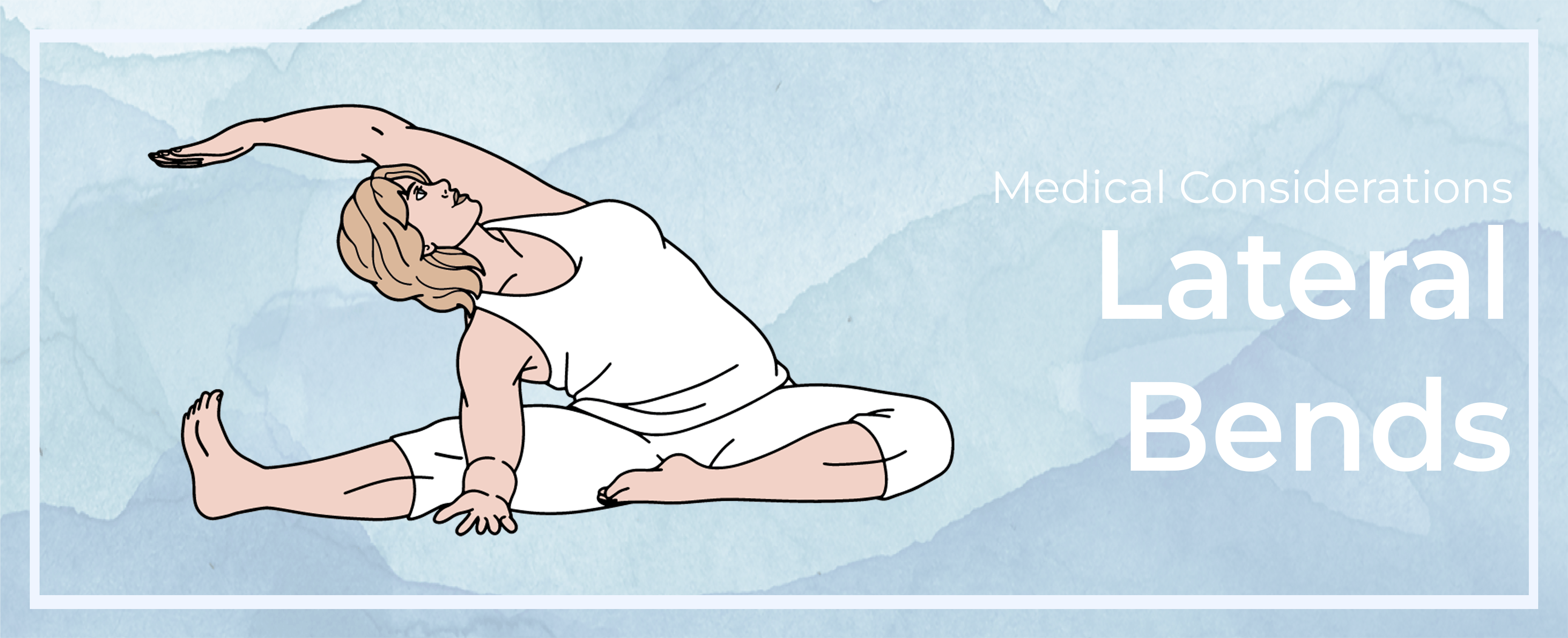
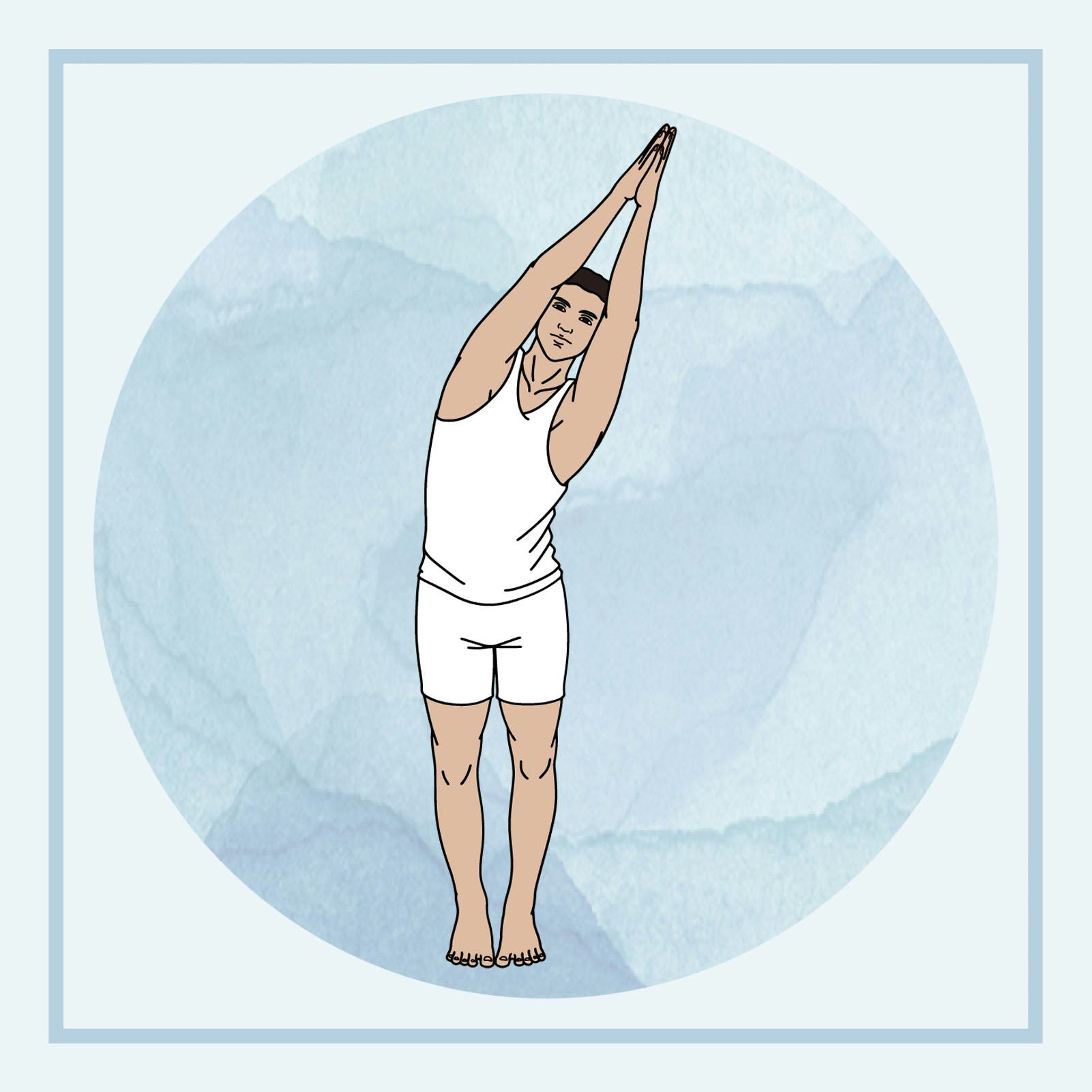
Lateral flexion of the spine is the movement of bending the trunk to one side of the body - this action closes the small spinal joints. Simultaneously the spine curves convexly toward the opposite side – opening the small spinal joints of the convexly curved side. Lateral flexion takes place in the coronal plane. The trunk is pulled into a lateral bend with the oblique muscles that are located in a diagonal orientation along at the side of the abdomen, along with the quadratus lumborum and the psoas major muscles. Lateral bends can be done from standing, kneeling, sitting or supine (lying on the back) positions.

Valued experience over centuries of practice, and historically described benefits of twist asanas:
- Strengthen and lengthen the muscles of the side body
-lengthen the muscles in an eccentric contraction on the opposite side of the side bend
-concentrically contract the muscles on the same side including intercostal muscles (located between the ribs), abdominal muscles, back muscles, hip abductors and the iliotibial fascial band along the sides of the thighs. - Strengthen the diaphragm as it presses down against abdominal organs
- May assist with digestive function through rinse and soak action on abdominal organs via abdominal and trunk muscle contraction along with compressing the space and ribs and pelvis come towards each other
- May assist with and immune system function through movement of lymphatic nodes in the arm pits and abdomen

Potential contraindications: variations are recommended for those with:
- Cardiovascular disease (heart disease, high blood pressure, stroke)
- Recent abdominal, spinal, or pelvic surgery
- Recent rib cage injury
- Significant scoliotic curvature
- Back or neck pain irritated by deep lateral bending
- history of lateral knee pain or injury